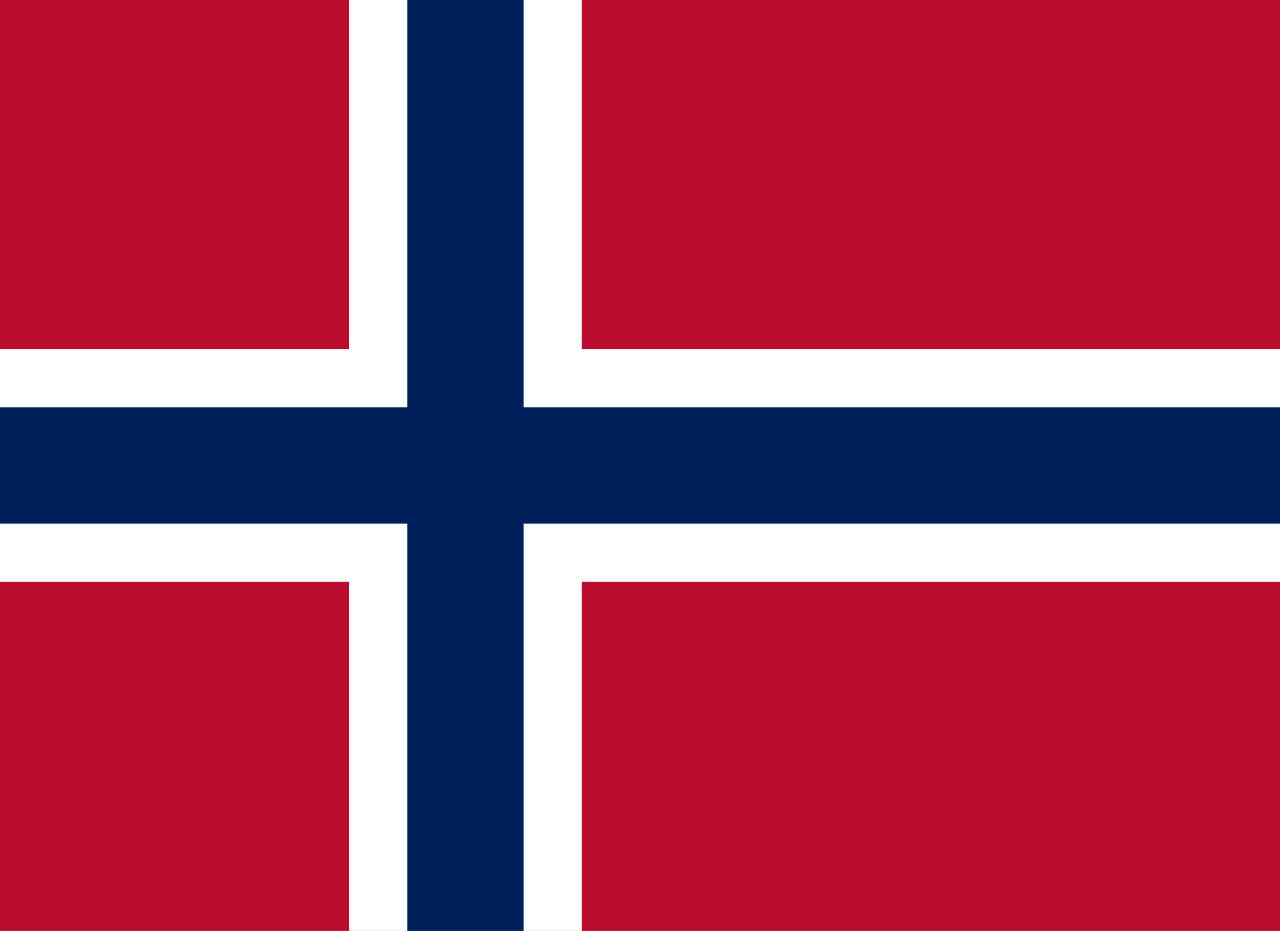
Winter Olympics Final: Norway Tops Medal Standings in Milano Cortina 2026
As the Olympic flame was ceremoniously extinguished in Italy, bringing the 2026 Milano Cortina Winter Olympics to a spectacular close, one nation stood head and shoulders above the rest: Norway. After nearly three weeks of breathtaking competition, daring feats, and emotional victories, the Scandinavian powerhouse reaffirmed its status as the undisputed leader in winter sports, clinching the top spot in the overall medal standings. This olympics final recap delves into the highs, the historic achievements, and the full medal count from an unforgettable Games.
The journey through the 2026 Winter Olympics began with palpable excitement, as fans across the globe tuned in to witness the world's elite athletes push the boundaries of human endurance and skill. From the early buzz around American figure skating prodigy Ilia Malinin to the fierce rivalries on the ice in men's and women's hockey, and the strategic tension of mixed curling, Milano Cortina delivered a constant stream of unforgettable moments. Yet, at its heart, the Olympics remains a grand national competition, a global stage where countries vie for supremacy, and every medal won adds to a collective legacy. Athletes dream of contributing to their nation's success, and for Norway, that dream was realized in emphatic fashion.
A Winter Wonderland Closes: Milano Cortina 2026 Draws to an End
The closing ceremony of the 2026 Winter Olympics was a poignant and artistic spectacle, serving as a fitting tribute to both the athletes' incredible achievements and Italy's rich cultural heritage. Spectators and participants alike were treated to an often surreal performance, blending interpretive dances, vibrant electric club scenes, and a triumphant flag walk that saw beaming athletes parade one last time. It was a moment of reflection, celebrating the camaraderie, the sportsmanship, and the sheer human spirit that defines the Olympic movement. The extinguishing of the flame marked not an end, but a powerful memory etched into history, a testament to the dedication, sacrifice, and inspiration shared over the past weeks.
Milano Cortina 2026 will be remembered not only for its competitive fire but also for its seamless blend of tradition and modernity, set against the stunning backdrop of the Italian Alps. The Games provided a platform for new stars to emerge, for veterans to cement their legacies, and for nations to unite in the shared pursuit of excellence. As we look back, the narrative is clear: Norway, once again, proved itself to be the winter sports juggernaut.
Norway's Dominance: A Masterclass in Winter Sports Excellence
When the final numbers were tallied, Norway's performance was nothing short of extraordinary. The nation secured a remarkable 41 total medals, a testament to its deep talent pool and enduring commitment to winter sports. This staggering haul included 18 gold, 12 silver, and 11 bronze medals, firmly placing them atop the global medal standings. Their consistent excellence across a wide array of disciplines, from cross-country skiing to biathlon and alpine events, underscored a meticulously developed system of athlete nurturing and development.
Norway's success isn't merely about raw numbers; it's about the depth of their athletic programs and a national culture that reveres winter sports. Their athletes often grow up with skis or skates on their feet, fostering a natural aptitude and competitive drive from an early age. The infrastructure for training and development is unparalleled, ensuring that aspiring Olympians have access to the best facilities and coaching. This sustained success serves as an inspiration, reminding us that consistent investment and cultural passion can lead to remarkable results on the world stage.
For a detailed breakdown of how Norway consistently outperforms, and to revisit the major highlights of their medal haul, you might find this article insightful: Milano Cortina 2026: Full Medal Count & Top Performing Nations.
Johannes Høsflot Klæbo: A Legend Forged in Snow
Among Norway's many triumphs, one individual performance shone brightest: that of cross-country skier Johannes Høsflot Klæbo. The decorated athlete delivered a historic, once-in-a-lifetime display, capturing an astonishing six gold medals. Going 6-for-6 in his gold medal opportunities, Klæbo became the first athlete in history to win six gold medals at a single Winter Olympics. His dominance across various cross-country skiing events was absolute, leaving competitors in his wake and etching his name into the annals of Olympic lore. Klæbo's performance wasn't just a win; it was a masterclass in strategy, endurance, and sheer athletic prowess, inspiring a generation of skiers.
His incredible achievement exemplifies the pinnacle of individual sporting excellence within the broader context of national success. Klæbo's focus, relentless training, and ability to perform under immense pressure serve as a powerful lesson for any aspiring athlete. For more on his historic run and other key moments from the Games, check out: Klæbo's Historic 6 Golds & The 2026 Winter Olympics Recap.
The Global Podium: Top Nations in the Medal Race
While Norway led the charge, many other nations celebrated significant achievements, showcasing the global diversity of talent in winter sports. The United States secured a strong second place with 33 total medals (12 gold, 12 silver, 9 bronze), demonstrating their growing versatility across disciplines. Host nation Italy, buoyed by fervent home support, put on a formidable display, finishing third with 30 medals (10 gold, 6 silver, 14 bronze). Their impressive bronze medal tally indicates a consistent presence on the podium.
Here's a snapshot of the top performers in the 2026 Winter Olympics final medal standings:
- 1. Norway: 41 (18 gold, 12 silver, 11 bronze)
- 2. United States: 33 (12 gold, 12 silver, 9 bronze)
- 3. Italy: 30 (10 gold, 6 silver, 14 bronze)
- 4. Germany: 26 (8 gold, 10 silver, 8 bronze)
- 5. Japan: 24 (5 gold, 7 silver, 12 bronze)
- 6. France: 23 (8 gold, 9 silver, 6 bronze)
- 7. Switzerland: 23 (6 gold, 9 silver, 8 bronze)
- 8. Canada: 21 (5 gold, 7 silver, 9 bronze)
- 9. Netherlands: 20 (10 gold, 7 silver, 3 bronze)
- 10. Sweden: 18 (8 gold, 6 silver, 4 bronze)
- 11. Austria: 18 (5 gold, 8 silver, 5 bronze)
- 12. China: 15 (5 gold, 4 silver, 6 bronze)
- 13. South Korea: 10 (3 gold, 4 silver, 3 bronze)
- 14. Australia: 6 (3 gold, 2 silver, 1 bronze)
- 15. Finland: 5 (0 gold, 1 silver, 5 bronze)
- 16. Great Britain: 5 (3 gold, 1 silver, 1 bronze)
- 17. Czechia: 5 (2 gold, 2 silver, 1 bronze)
- 18. Slovenia: 4 (2 gold, 1 silver, 1 bronze)
- 19. Poland: 4 (0 gold, 3 silver, 1 bronze)
- 20. Spain: 3 (1 gold, 0 silver, 2 bronze)
- 21. New Zealand: 3 (0 gold, 2 silver, 1 bronze)
- 22. Latvia: 2 (0 gold, 1 silver, 1 bronze)
- 23. Bulgaria: 2 (0 gold, 0 silver, 2 bronze)
- 24. Brazil: 1 (1 gold, 0 silver, 0 bronze)
- 25. Kazakhstan: 1 (1 gold, 0 silver, 0 bronze)
- 26. Denmark: 1 (0 gold, 1 silver, 0 bronze)
- 27. Estonia: 1 (0 gold, 1 silver, 0 bronze)
- 28. Georgia: 1 (0 gold, 1 silver, 0 bronze)
- 29. Belgium: 1 (0 gold, 0 silver, 1 bronze)
Surprises and Standouts
The Netherlands demonstrated remarkable efficiency, securing 10 gold medals out of their total 20, meaning half of their podium finishes were top honors. This highlights a targeted excellence in specific sports where they truly dominate. Another intriguing statistic came from Finland, which, despite securing 5 medals (1 silver, 4 bronze), notably did not earn a single gold. Their ability to consistently reach the podium across various events without achieving the ultimate top spot underscores both their broad competitiveness and perhaps a touch of competitive misfortune.
Beyond the traditional winter sports powerhouses, nations like Brazil and Kazakhstan proudly earned a gold medal each, showcasing the expanding global reach of winter sports and the growing investment in developing athletes from non-traditional winter climates. These individual gold medals, though single additions to the overall tally, represent monumental achievements for their respective countries and serve as powerful symbols of breaking barriers.
Beyond the Medals: The Spirit of the Games
While the medal count provides a clear quantitative measure of success, the true spirit of the Olympics transcends mere numbers. The 2026 Milano Cortina Games were a vibrant tapestry woven with stories of perseverance, sportsmanship, and cultural exchange. We witnessed incredible displays of courage, from athletes recovering from injuries to those competing in challenging weather conditions. The embrace between competitors after a grueling race, the shared tears of joy and disappointment, and the respectful acknowledgements of effort epitomized the Olympic ideals.
These Games also served as a powerful inspiration for future generations. Young viewers, captivated by the drama and spectacle, may now dream of lacing up skates or strapping on skis, igniting new passions for winter sports. The economic and cultural impact on Italy, from the bustling venues to the global media attention, will resonate for years to come. The Olympics are a reminder that while we compete fiercely, we are also united by a common humanity and a shared love for athletic excellence.
For individuals looking to perhaps get involved in winter sports or simply appreciate the incredible training required, consider these insights: professional Olympic athletes dedicate years, often decades, to their craft, following rigorous training regimens that blend physical conditioning, mental fortitude, and highly specialized technical skills. It's not just about raw talent; it's about relentless discipline, strategic planning, and an unwavering commitment to improvement.
Conclusion
As the final echoes of the 2026 Milano Cortina Winter Olympics fade, the memory of Norway's commanding performance, highlighted by Johannes Høsflot Klæbo's historic six gold medals, will undoubtedly endure. This olympics final recap confirms that Norway is a winter sports titan, but it also celebrates the collective effort of all participating nations and the individual triumphs that made these Games truly special. From the dramatic finishes to the inspiring displays of sportsmanship, Milano Cortina delivered an unforgettable chapter in Olympic history, reminding us all of the power of sport to unite, inspire, and entertain. We eagerly await the next winter spectacle, but for now, the glory belongs to Norway.